
Quick answer
Swiss trains operate with no luggage weight limits but strict space constraints—overhead racks accommodate one medium suitcase per passenger, while designated luggage compartments near doors handle larger bags. Quiet zones enforce silence, seats facing the direction of travel fill first, and reservations are optional on most routes except peak holiday periods. The network runs around the clock with valid tickets or travel passes required at all times.
Swiss Federal Railways moves 1.3 million passengers daily through a network where precision extends beyond punctuality into unspoken passenger conduct. The railway culture treats train compartments as shared public space governed by consideration rather than regulation, and visitors who miss these norms stand out immediately. Luggage handling separates inexperienced travelers from seasoned ones within the first thirty seconds of boarding. Overhead racks hold one rolling suitcase up to 55 cm height; anything larger belongs in the floor-level storage bays flanking each carriage door. Blocking aisles or occupying seats with bags during busy periods violates the core principle of efficient space use. Trains lack dedicated baggage cars, so passengers manage their own items throughout the journey. Ski equipment and bicycles require advance notification and specific carriage allocation, available through the SBB mobile app or ticket counters at major stations like Zürich Hauptbahnhof and Bern. Seating follows a hierarchy rarely printed but universally observed. Reserved seats display electronic tags above the headrest showing the route segment booked; unreserved seats remain available first-come basis. Window seats facing forward disappear first, followed by aisle positions in the same orientation. Quiet carriages—marked with a blue sticker—prohibit phone conversations and require headphones for any audio. First-class compartments offer wider seats and lower density but identical amenities to second class on most regional routes. Families with young children gravitate toward family zones near carriage ends, where space accommodates strollers and noise tolerance runs higher. Practical swiss train travel tips hinge on understanding the fare structure's rigidity. Tickets validate for specific routes and times; controllers scan passes frequently and fines for invalid travel reach 90 CHF plus the fare difference. The Half Fare Card and Swiss Travel Pass unlock the network without per-journey costs, but both require activation before first use. Connections between trains guarantee waiting if delays occur, a protection built into the integrated timetable that makes the system's reliability possible.
“Luggage handling separates inexperienced travelers from seasoned ones within the first thirty seconds of boarding.”
Optimal Timing for Swiss Train Travel Tips
To ensure a seamless journey across the Swiss rail network, passengers should plan their travel outside of peak commuter hours. The best arrival window for your trip is 09:00–11:00.
Weekday mornings
High commuter volume—
Avoid these hours to ensure better seat availability and a more comfortable experience.
April and October
ModerateMild, 10°C to 18°C
These shoulder months offer temperate weather and fewer crowds compared to the height of summer or winter sports seasons.
July and August
HighWarm, 18°C to 28°C
Travel during these months often coincides with peak tourism, resulting in busier train cars and stations.
Verdict: The optimal time for travel is between 09:00–11:00 on weekdays during the shoulder months of April or October.
Essential Swiss Train Travel Tips on Etiquette
Swiss trains operate on a culture of quiet efficiency and mutual respect. Understanding these unwritten rules ensures a smooth journey for you and fellow passengers.
Do
- Keep conversations at low volume, especially in quiet zones
- Stand aside on platforms to let passengers exit before boarding
- Validate your ticket before boarding and keep it accessible
- Remove backpacks in crowded carriages to free up space
- Offer priority seating to elderly, pregnant, or disabled passengers
- Use headphones and keep device volume low
Don't
- Don't place feet on seats or occupy extra seats with luggage
- Don't eat strong-smelling food in enclosed carriages
- Don't make phone calls in designated quiet zones
- Don't block aisles or doorways during peak hours
- Don't board until passengers have fully disembarked
- Don't play music or videos without headphones
Step-by-Step Swiss Train Travel Tips for Luggage and Navigation
Managing luggage on Swiss trains is straightforward once you know where to stow items and how to use SBB's transfer services. The process takes five minutes at boarding and can save hours if you opt for advance luggage delivery.
Locate overhead racks above seats
Most Swiss trains feature wide overhead compartments above seating rows. Lift bags straight up rather than angling them—racks sit deeper than they appear and items slide back once clear of the rim.
Find floor-level luggage zones near doors
Intercity and regional trains designate open floor space beside entry vestibules for larger cases. Position bags perpendicular to train movement so they don't shift during acceleration, and avoid blocking the stepwell used at smaller stations.
Use the luggage pictogram to identify dedicated bays
Newer rolling stock marks specific compartments with a suitcase icon on exterior windows and interior panels. These bays offer vertical poles or tie-down straps; thread a strap through your bag's handle if the train will traverse mountain grades.
Book SBB luggage transfer for door-to-door delivery
SBB's luggage service collects bags from your accommodation and delivers them to your next hotel, leaving you free to board with a daypack. Reserve online at sbb.ch/luggage at least one day ahead, selecting morning pickup for same-day delivery to destinations within the network.
Retrieve bags before your stop is announced
Trains dwell for 60–90 seconds at most stations. Move to the luggage area one stop early, especially on busy routes where other passengers will crowd the vestibule during the platform approach.
Understanding Costs and Swiss Train Travel Tips
Access to the Swiss Federal Railways network depends on valid tickets or travel passes. The system operates without specific entrance fees for the network itself.
A typical adult pays a fare based on their specific journey distance and chosen class of travel.
A Final Checklist for Swiss Train Travel Tips
Complete these steps before departure to ensure smooth travel across the Swiss rail network.
-
Download the SBB Mobile app — Access real-time schedules, platform changes, and digital tickets on the go.
-
Check your ticket validity and travel dates — Confirm your pass or ticket covers the routes and dates you plan to travel.
-
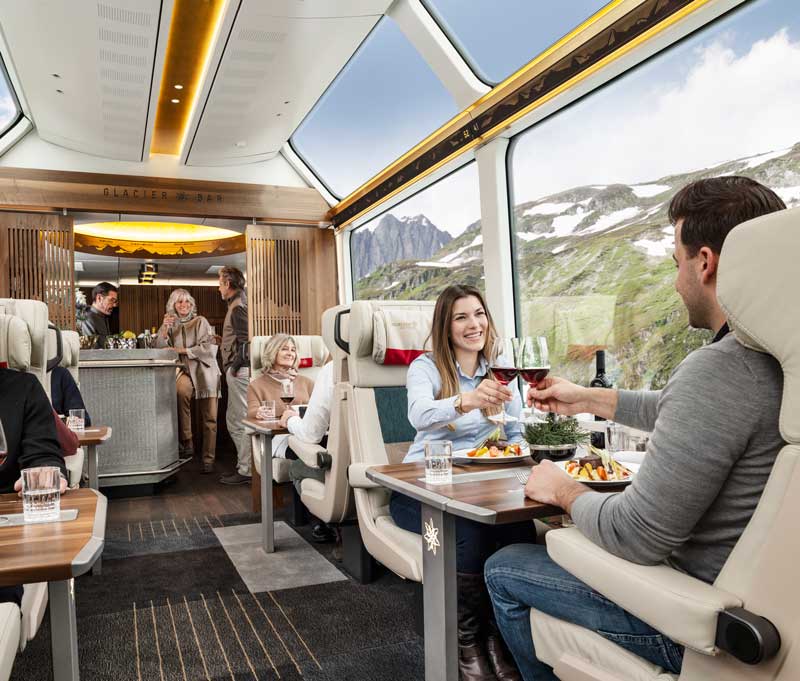
Reserve seats for scenic or peak routes — Certain trains like the Glacier Express require advance reservations beyond your ticket.
-
Verify passport or ID requirements — Non-EU travelers may need documents checked at border crossings or by conductors.
-
Note the station departure board layout — Swiss stations display departures by platform number, updated in real time.
-
Confirm luggage size if carrying large bags — Standard luggage racks accommodate suitcases up to 85cm; larger items may need special handling.
-
Save the SBB contact number offline — +41 848 44 66 88 provides assistance if connections are missed or delays occur.
Check availability
Frequently Asked Questions About Swiss Train Travel Tips
Everything you need to know about swiss train travel tips